
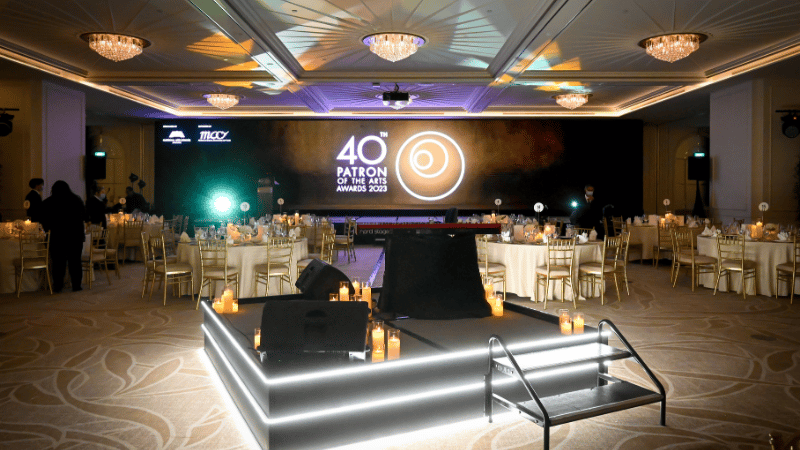
Recognising outstanding employees should feel like more than reading names from a list and presenting a standard trophy. A well-planned award ceremony, supported by an experienced event company Singapore businesses trust, can make employees feel genuinely appreciated, strengthen your company culture and show the wider team what excellent performance looks like.
However, creating that sense of occasion requires more than attractive decorations and a formal dinner. The programme, award categories, venue, storytelling and guest experience should all reflect what your organisation values, turning a simple presentation into a polished and meaningful celebration.
Whether you are organising an intimate leadership dinner, an annual staff appreciation night or a large-scale corporate gala, the following award ceremony ideas can help you recognise your top performers in a memorable way.
Why Employee Recognition Deserves a Proper Ceremony
Employees contribute their time, skills and energy throughout the year. When their achievements are acknowledged thoughtfully, recognition becomes a visible sign that good work matters.
A strong awards programme can help organisations:
- Celebrate individual and team achievements
- Reinforce company values and expected behaviours
- Encourage employees to keep developing
- Build stronger connections between departments
- Recognise contributions that may otherwise go unnoticed
- Create positive memories associated with the organisation
The ceremony itself also communicates something important. A rushed presentation in a meeting room may technically recognise an employee, but it may not make the achievement feel significant. A carefully designed event shows that the organisation has invested time and attention in celebrating its people.
The best ceremonies do not need to be extravagant. They simply need to feel sincere, organised and relevant to the audience.
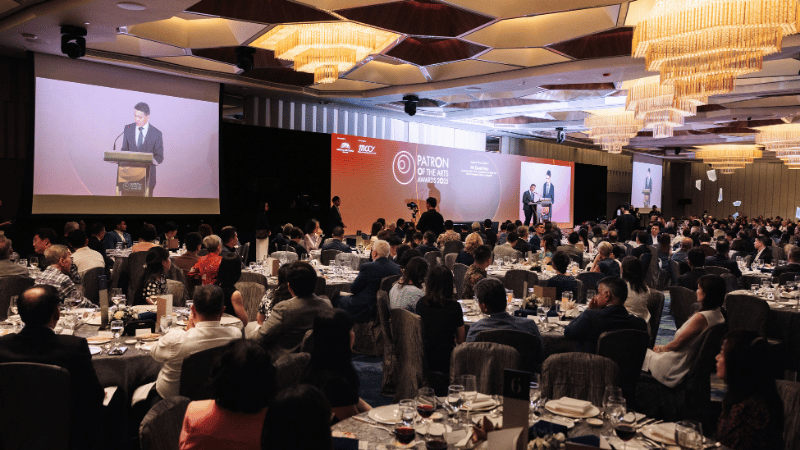
1. Create Awards Based on Your Company Values
Traditional categories such as Top Salesperson or Employee of the Year remain useful, but they often recognise only the most visible results. Consider introducing awards that reflect the values and behaviours your organisation wants to encourage.
For example, award categories could include:
- The Customer Champion Award
- The Innovation in Action Award
- The One Team Award
- The Emerging Leader Award
- The Community Impact Award
- The Quiet Achiever Award
- The Service Excellence Award
- The Resilience Award
Value-based categories allow you to recognise employees from different departments and levels of seniority. A finance executive who improved an internal process, for example, may have created significant value without generating direct sales.
Before finalising each category, define the selection criteria clearly. Employees should understand why the award exists, what behaviours it celebrates and how recipients are chosen. Transparent criteria make the programme feel credible rather than arbitrary.
You can also invite employees to nominate colleagues and provide examples of how each nominee demonstrated the relevant value. These submissions give the judging panel useful context and can later be adapted into the recipient’s introduction during the ceremony.
2. Introduce a Peer-Nominated People’s Choice Award
Recognition from senior management is meaningful, but appreciation from colleagues can feel equally powerful. A People’s Choice Award gives employees an opportunity to recognise someone who has made a positive difference to their working experience.
This category could celebrate a colleague who:
- Consistently supports others
- Shares knowledge generously
- Improves team morale
- Remains calm during difficult projects
- Helps new employees settle into the organisation
- Contributes beyond the formal scope of the role
To keep the process fair, establish simple nomination rules. Ask employees to include a short explanation or example rather than submitting only a name. This encourages thoughtful nominations and gives organisers meaningful stories to share.
For larger organisations, nominations can be divided by business unit before a company-wide shortlist is created. A digital voting system can then allow employees across different Singapore offices or regional branches to participate.
The voting should be managed carefully to avoid turning the award into a popularity contest. A review panel can check that shortlisted nominees meet the criteria before voting opens.
3. Use Storytelling to Introduce Every Winner
An award feels more valuable when the audience understands the achievement behind it. Instead of announcing a winner immediately, use a short story to explain the challenge, contribution and outcome.
A strong winner introduction might cover:
- The situation or problem the employee faced
- The action the employee took
- The effect on colleagues, customers or business results
- The qualities that made the contribution exceptional
This structure creates anticipation while helping the audience appreciate the significance of the award.
For major categories, consider producing a short nominee or winner video. It might include comments from colleagues, project footage, customer feedback or photographs from important moments. The video does not have to be long. A focused 60- to 90-second feature can be more engaging than an extended presentation.
Storytelling should remain sincere. Avoid exaggerated scripts or generic praise that could apply to anyone. Specific details make recognition feel personal and credible.
A professional corporate conference organiser can help coordinate scripts, presentation slides, videos and stage cues so each story flows smoothly without making the programme feel too long.
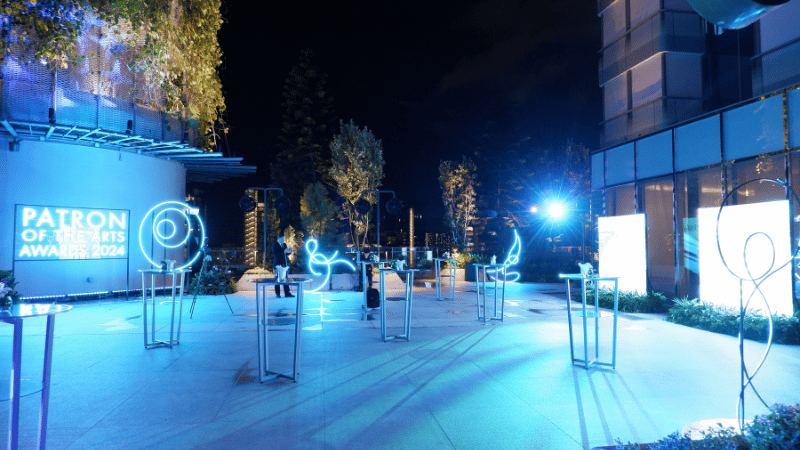
4. Organise a Singapore-Inspired Gala Experience
A local theme can give the ceremony personality without making it feel informal. Singapore offers many sources of inspiration, from its distinctive skyline and garden city identity to its multicultural heritage and neighbourhoods.
Possible creative directions include:
A Modern Garden City
Use greenery, warm lighting and contemporary floral arrangements to create an elegant garden-inspired setting. This can work particularly well in venues with outdoor terraces, glass walls or waterfront views.
Singapore After Dark
Build the visual concept around the city skyline, using deep blue, gold and silver tones. A digital backdrop can feature an animated nightscape while table names reference familiar landmarks.
A Celebration of Local Culture
Include subtle Peranakan patterns, locally inspired menu items or entertainment representing Singapore’s multicultural identity. Cultural elements should be incorporated respectfully and with an understanding of the audience.
Singapore Through the Decades
Celebrate the company’s history alongside Singapore’s development. This can be especially effective for an organisational anniversary or long-service awards programme.
The theme should support the purpose of the event instead of overwhelming it. Avoid filling the venue with unrelated props simply because they match a concept. Concentrate on a few consistent elements, such as the stage design, menu, music, digital graphics and guest invitation.
When comparing corporate event venues Singapore has to offer, consider how easily each space can support your theme, technical setup, guest capacity and dining format.
5. Add a Surprise Recognition Segment
Most employees attending an awards night will expect the major performance categories. A surprise recognition segment can create one of the event’s most emotional moments.
This segment might honour:
- A long-serving employee
- Someone retiring after many years
- An employee who supported colleagues during a crisis
- A cross-functional team that solved an urgent problem
- A staff member who made an exceptional community contribution
- An unsung hero nominated privately by colleagues
The key is to keep the recognition genuinely unexpected while ensuring the recipient will be comfortable receiving attention in front of an audience.
Consider inviting a family member, former manager, customer or colleague to contribute a recorded message. The surprise should focus on appreciation rather than spectacle. The aim is to show the individual that their contribution has been noticed and remembered.
Organisers must manage this section discreetly. Scripts, seating arrangements, videos and guest arrivals may need to be coordinated without alerting the recipient. An experienced event company Singapore team can manage these details behind the scenes while keeping the programme on schedule.
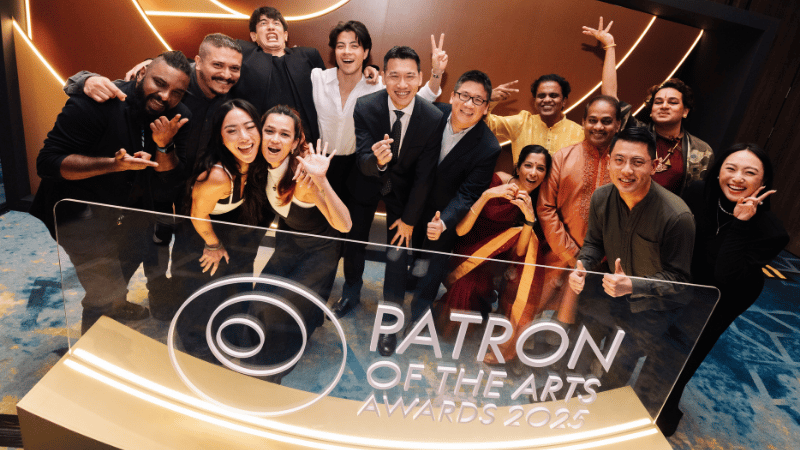
6. Turn the Red Carpet into a Recognition Experience
A red-carpet entrance is not only for celebrities. It can set a celebratory tone and make every guest feel that the evening is important.
Create an arrival area with:
- A branded photo wall
- Professional event photography
- A short interview station
- Digital displays featuring employee achievements
- A welcome drink or refreshment
- Music that matches the atmosphere of the evening
Instead of focusing only on senior leaders or award finalists, give all employees a chance to participate. This makes the entrance inclusive and prevents the event from feeling divided between winners and everyone else.
A host could ask guests simple questions such as, “Which team achievement are you most proud of this year?” or “Who has made a difference to your work?” Selected responses can be shared later in the programme or edited into an internal recap video.
Ensure the arrival experience does not create a long queue. Registration, photography and guest movement should be planned as one process. For a larger audience, use several photography points or allow teams to arrive within scheduled windows.
The right venue layout matters here. When reviewing corporate event venues Singapore organisations commonly use, check whether the foyer can accommodate registration, photography and networking without blocking access to the ballroom or main event space.
7. Present Experience-Based Rewards
A trophy is an important symbol, but combining it with an experience can make the recognition even more memorable.
Depending on company policy and budget, rewards could include:
- A professional development programme
- An overseas learning opportunity
- A staycation or dining experience
- Additional leave
- A wellness package
- Tickets to a cultural or sporting event
- A team experience chosen by the winners
- A charitable donation made in the recipient’s name
The reward should match the achievement and the preferences of the employee. Not everyone values the same type of prize, so offering a choice can be more meaningful than providing one standard item.
For team awards, consider experiences that allow colleagues to celebrate together. A special meal, creative workshop or team retreat can extend the positive effect beyond the ceremony itself.
Be transparent about the terms of each reward, including redemption periods, tax considerations where relevant and whether substitutions are allowed. The presentation on stage should clearly explain what the recipient has received without turning the moment into a sales-style promotion.
A corporate conference organiser can incorporate these rewards into the stage presentation, digital displays and post-event communication so the recognition remains consistent across every touchpoint.
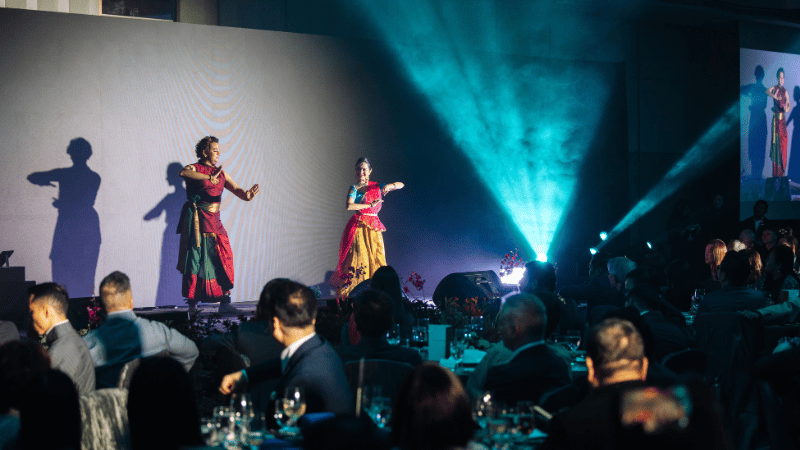
8. Include Live Entertainment That Supports the Programme
Entertainment can lift the atmosphere, create natural breaks and keep guests engaged. However, it should complement the awards rather than compete with them.
Suitable options for a corporate ceremony may include:
- A live band during dinner
- An acoustic performance
- A cultural music or dance segment
- A speed painter or digital artist
- An interactive percussion performance
- A clean corporate comedian
- A magician who involves the audience
- A performance by talented employees
The schedule matters. An energetic opening performance can create excitement, while a softer musical segment may work better during dinner. Entertainment can also be placed between award groups to prevent the programme from becoming repetitive.
Keep the audience profile in mind. Singapore workplaces are often multicultural and may include employees, clients and regional guests from different backgrounds. Performances and humour should be suitable for a diverse professional audience.
Technical requirements should be confirmed early. Live entertainment may require additional microphones, instruments, staging, rehearsal time or backstage space. The event team should coordinate these requirements with the venue and audiovisual suppliers rather than making assumptions.
Working with an event company Singapore organisations rely on can help ensure the entertainment, awards and dinner service are timed as one coherent programme.
9. Build Interactive Moments into the Ceremony
An awards programme can become passive when guests spend most of the evening watching people walk on and off the stage. Small interactive moments can keep the wider audience involved.
Ideas include:
Live Predictions
Before a category is announced, allow guests to vote for the nominee they think will win. The prediction does not influence the result, but it creates anticipation.
Company Trivia
Use short questions about company milestones, memorable projects or staff achievements between award segments. Keep the questions positive and accessible to employees from different departments.
Digital Appreciation Wall
Invite guests to post congratulatory messages through an event platform or QR code. Selected messages can appear on screen throughout the evening.
Table Challenges
Give each table a light activity connected to the company’s values, history or future plans. Avoid tasks that require lengthy discussion or distract from the awards.
Audience-Created Celebration Video
Set up a recording booth where guests can leave brief messages for the winners. These clips can be edited into a post-event video.
Interactive tools should be easy to use and should not require guests to download a complicated application. Test QR codes, voting systems and venue connectivity before the event begins.
A skilled corporate conference organiser can manage the technology, moderate incoming content and prepare a backup plan in case the internet connection or digital platform becomes unavailable.
10. End with a Collective Celebration
The ceremony should not feel as though it ends immediately after the final trophy is presented. Create a closing moment that brings winners, nominees and the wider team together.
One option is to invite all award recipients back onto the stage for a group photograph while the host delivers a final message about the company’s achievements. Confetti, lighting effects or a celebratory music cue can add energy, provided the venue permits them.
Other closing ideas include:
- A company pledge or shared commitment for the coming year
- A video celebrating achievements across all departments
- A toast led by the chief executive or senior leader
- A dessert reveal or supper station
- A networking reception
- A team photograph involving the full audience
- A final performance followed by an informal celebration
The closing message should also recognise employees who were not award recipients. Awards highlight exceptional contributions, but organisational success is usually the result of many people working together.
After the ceremony, share photographs, winner stories and key moments through internal communication channels. A thoughtful event recap allows employees who could not attend to participate and extends the impact of the recognition.
When assessing corporate event venues Singapore companies are considering, ask about restrictions relating to confetti, stage effects, extended networking hours and post-event photography. These details may affect how the finale can be delivered.
How to Plan an Award Ceremony That Feels Meaningful
Creative concepts are valuable, but the event still needs a clear planning foundation. Before selecting decorations or entertainment, define the purpose of the ceremony.
Ask the following questions:
- Who should be recognised?
- What behaviours or results should the awards reinforce?
- Who will attend?
- How formal should the event feel?
- What should employees remember after the event?
- How will nominations and judging be managed?
- What is the available budget?
- Will regional or overseas colleagues participate?
- Does the ceremony need a hybrid or livestreaming component?
Once these questions are answered, organisers can build a realistic budget and timeline.
Develop a Balanced Programme
A common mistake is creating too many categories. When presentations continue for several hours, even meaningful awards can begin to feel repetitive.
Group categories into clear segments and vary the programme with dinner courses, videos or entertainment. Winner speeches should have reasonable time limits, and presenters should receive instructions before going on stage.
Rehearse the Technical Details
Names, titles and award citations must appear correctly on screen. Presenters should know where to stand, trophies should be placed in the correct order and videos should be tested using the actual event equipment.
Plan for unusual name pronunciations and confirm them directly with nominees where possible. A small error during an important moment can distract from the recognition.
Design for Accessibility and Inclusion
Check whether the venue is accessible for guests with mobility needs. Provide captions or interpretation where appropriate, and ensure the programme does not exclude employees who work remotely, on shifts or in overseas offices.
Dietary requirements should also be collected early. Singapore corporate events may need to accommodate halal meals, vegetarian options, allergies and other dietary preferences.
Protect the Element of Surprise Without Creating Confusion
Award winners may need to attend rehearsals, provide photographs or submit information without being told the final result. Organisers should decide how much nominees need to know and create a discreet communication process.
For larger ceremonies, a professional event company Singapore partner can coordinate nominations, guest registration, venue logistics, audiovisual production, stage management and contingency planning through one central event plan.
Make Recognition Part of a Wider Culture
An annual awards night can be a powerful occasion, but recognition should not happen only once a year. The ceremony works best when it reflects a culture in which appreciation already occurs regularly.
Managers can support this culture by:
- Giving timely feedback
- Celebrating project milestones
- Sharing customer compliments
- Recognising teamwork as well as individual performance
- Thanking employees for contributions that are not always visible
- Creating development opportunities after strong performance
The annual ceremony then becomes the high point of an ongoing recognition programme rather than an isolated gesture.
It is also useful to review the awards after each event. Ask employees whether the categories felt relevant, whether the selection process was clear and which parts of the programme were most engaging. Feedback can help you improve the next ceremony and ensure the programme continues to represent the organisation fairly.
Bring Your Award Ceremony Ideas to Life with HYDSE
A successful awards ceremony balances creativity with careful coordination. Every element—from the award categories and winner stories to the stage design, technical production and guest experience—should support the purpose of recognising your people.
HYDSE plans and manages physical, virtual and hybrid corporate events in Singapore, including award ceremonies, formal dinners, conferences, exhibitions and other high-stakes organisational events. Its team can support the process from concept development and event branding to registration, audiovisual coordination and on-site execution.
Whether you are planning an intimate employee appreciation event or a large annual awards gala, HYDSE can help you create an organised, professional and memorable experience that gives your top performers the recognition they deserve.