
Choosing the right venue is one of the most important decisions when planning a professional meeting. While many organisers begin their search by looking at location, capacity and availability, the ideal meeting venue should support much more than just providing a physical space.
The right venue should match the purpose of the meeting, the number of attendees, the expected interaction level and the overall experience you want participants to have.
For example, a private management discussion requires a very different environment compared to a regional conference with hundreds of delegates. A smaller meeting may prioritise privacy and comfortable discussions, while a large-scale business event may require stage production, technical support, registration areas and networking spaces.
When looking for meeting venues Singapore, organisers should consider several factors:
- Meeting size
- Purpose of the gathering
- Attendee profile
- Seating arrangement
- Technical requirements
- Accessibility
- Branding opportunities
- Overall delegate experience
A venue that works well for one type of meeting may not necessarily be suitable for another.
A boardroom meeting with senior executives may require a quieter and more private environment. Meanwhile, a corporate seminar may need flexible seating arrangements, presentation equipment and space for audience interaction.
As an event company in Singapore, HYDSE understands that venue selection is only one part of creating a successful meeting experience. Beyond choosing the right location, businesses need to consider event planning, attendee management, technical execution and overall event flow.
Singapore has become a preferred destination for business meetings, conferences and corporate events due to its strong infrastructure, accessibility and established MICE industry. According to Singapore Tourism Board’s business events information, Singapore continues to develop its position as a global business events destination supported by professional venues and event capabilities.
However, with many different options available, selecting suitable meeting venues Singapore can become overwhelming. Hotels, convention centres, private meeting spaces and specialised event venues each offer different advantages.
This guide explores meeting venue ideas based on different event sizes and requirements, helping businesses understand what to look for when planning professional meetings in Singapore.
Understanding Meeting Venue Requirements Before Choosing a Location
Before comparing venues, organisers should first understand what the meeting needs to achieve.
A common mistake is selecting a venue based only on appearance. While an attractive space can create a positive impression, the venue must also support the practical requirements of the event.
For example:
- A leadership discussion may require confidentiality and comfort.
- A seminar may require clear presentation visibility and audience seating.
- A conference may require multiple rooms, technical production and delegate management.
- A hybrid meeting may require advanced broadcast capabilities.
The purpose of the meeting should influence the venue decision.
Different Meeting Formats Require Different Spaces
| Meeting Type | Main Objective | Venue Requirements |
| Management meeting | Decision-making and strategic discussions | Private rooms, comfortable seating, professional environment |
| Corporate seminar | Knowledge sharing and presentations | Presentation facilities, flexible seating, AV support |
| Training session | Learning and engagement | Classroom setup, interactive spaces |
| Conference | Large-scale information exchange | Large capacity, technical support, networking areas |
| Hybrid meeting | Physical and online participation | Streaming capabilities, production support |
Understanding these differences helps organisers avoid choosing spaces that do not match their actual requirements.
How Meeting Size Influences Venue Selection
Meeting size is one of the first considerations when selecting a venue.
A smaller meeting usually requires a more intimate environment, while larger meetings require stronger operational support.
For this article, meeting venues Singapore can generally be divided into four categories:
- Small meetings: 25 to 50 participants
- Medium meetings: 50 to 200 participants
- Large meetings: 200 participants and above
- Hybrid meetings: Physical and virtual participation
Each category has different considerations.
1. Small Meeting Venues Singapore (25–50 pax): Private Discussions & Professional Meetings
Small meetings may involve fewer participants, but they are often some of the most important gatherings for organisations.
These meetings are commonly used for:
- Management discussions
- Client meetings
- Stakeholder discussions
- Private corporate sessions
- Internal strategy discussions
Unlike larger events that focus on audience management, smaller meetings often focus on communication quality.
The venue should create an environment where participants can discuss ideas openly, make decisions efficiently and build stronger relationships.
What to Consider for Small Meeting Venues Singapore
When selecting a venue for 25 to 50 participants, organisers should prioritise the following:
| Requirement | Why It Matters |
| Privacy | Supports confidential discussions and focused conversations |
| Comfortable seating | Helps participants remain engaged during longer sessions |
| Accessibility | Makes attendance more convenient |
| Professional environment | Creates the right impression for guests and stakeholders |
| Technical support | Ensures presentations and discussions run smoothly |
A smaller meeting space does not mean fewer planning requirements.
In fact, smaller meetings often involve senior decision-makers, important clients or external stakeholders. Therefore, the venue experience should reflect professionalism and attention to detail.
Suitable Meeting Formats for Small Venues
Management Discussions
Management discussions typically involve senior leaders reviewing plans, making decisions or discussing business strategies.
These meetings usually require:
- Privacy
- Comfortable seating
- Minimal distractions
- Professional surroundings
A boardroom-style setup is commonly preferred because it allows participants to communicate directly with each other.
Client Meetings
Client-facing meetings require a venue that creates confidence and professionalism.
The environment can influence how clients perceive the organisation.
Important considerations include:
- Easy accessibility
- Comfortable waiting areas
- Good presentation facilities
- Professional service standards
A well-organised venue helps create a smoother client experience.
Stakeholder Meetings
Stakeholder meetings often involve multiple parties with different interests.
These meetings may require:
- Clear communication
- Structured seating arrangements
- Presentation support
- Smooth coordination
The venue should allow discussions to happen effectively without unnecessary distractions.
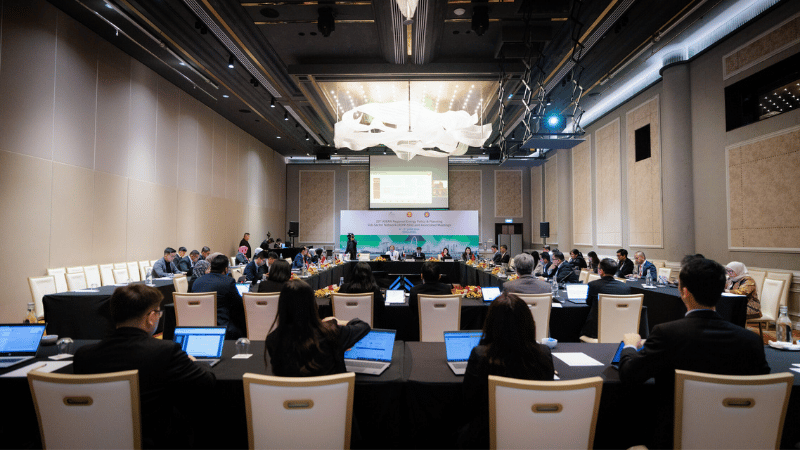
HYDSE Portfolio Example: 23rd ASEAN Regional Energy Policy & Planning Sub-Sector Network (REPP-SSN) and Associated Meetings
Event Type: Professional meeting
Meeting Size: Small meeting format
HYDSE Portfolio Example: 23rd ASEAN Regional Energy Policy & Planning Sub-Sector Network (REPP-SSN) and Associated Meetings
Venue Example: Conrad Singapore Orchard
HYDSE’s Role
For smaller professional meetings, the success of the event depends on careful preparation and smooth execution.
HYDSE’s experience supporting meetings demonstrates the importance of understanding event requirements beyond just venue selection.
Key considerations for professional meetings include:
- Suitable room arrangement
- Comfortable attendee experience
- Smooth event flow
- Proper coordination
For meetings involving stakeholders and delegates, the venue must support productive discussions while maintaining a professional atmosphere.
Suggested Meeting Venues Singapore for 25–50 Pax
When planning smaller professional meetings, suitable venue options include:
| Venue | Suitable For |
| Conrad Singapore Orchard | Executive meetings, stakeholder discussions and corporate meetings |
| Orchard Hotel Singapore | Professional meetings and smaller corporate sessions |
The final venue choice should depend on:
- Location requirements
- Participant profile
- Room setup
- Technical needs
- Overall event objectives
Recommended Seating Layouts for Small Meetings
The seating arrangement can significantly influence how participants interact.
Different layouts support different meeting objectives.
Boardroom Setup
A boardroom setup places participants around a central table.
Suitable for:
- Leadership meetings
- Client discussions
- Strategic planning sessions
- Private discussions
Advantages:
- Encourages direct communication
- Creates a professional atmosphere
- Supports focused discussions
This format is especially useful when the meeting involves decision-making rather than presentations.
U-Shape Setup
A U-shape layout places tables around an open centre area.
Suitable for:
- Interactive discussions
- Workshops
- Smaller presentations
Advantages:
- Allows participants to see each other
- Encourages engagement
- Provides space for presenters
This setup works well when interaction is an important part of the meeting.
Classroom Setup
A classroom arrangement places participants facing the presenter.
Suitable for:
- Training sessions
- Educational briefings
- Presentation-focused meetings
Advantages:
- Provides writing space
- Creates clear presentation visibility
- Supports structured learning
2. Medium Meeting Venues Singapore (50–200 pax): Seminars, Workshops & Corporate Sessions
Medium-sized meetings are one of the most common categories for corporate events in Singapore. These gatherings usually involve more participants than a private meeting but do not require the scale of a major conference.
Typically ranging from 50 to 200 attendees, these meetings require more careful planning because organisers need to balance audience engagement, room capacity, technical requirements and event flow.
Common examples include:
- Corporate seminars
- Training sessions
- Industry briefings
- Internal company meetings
- Business workshops
- Stakeholder sessions
- Professional networking events
For these events, the venue needs to do more than accommodate attendees. It should support interaction, presentations and a smooth participant journey.
A suitable medium-sized meeting venue should provide enough space for attendees while maintaining a comfortable atmosphere.
What Type of Meetings Are Suitable for Medium Meeting Venues?
Corporate Seminars
Corporate seminars are commonly organised by businesses to share knowledge, introduce new initiatives or educate internal and external audiences.
A successful seminar requires:
- Clear presentation visibility
- Comfortable seating
- Professional audio systems
- Smooth speaker transitions
- Audience engagement opportunities
Unlike smaller meetings where discussions are the main focus, seminars usually involve a presenter or panel sharing information with an audience.
Therefore, venue layout and technical capabilities become much more important.
Training Sessions and Workshops
Training sessions require spaces that encourage participation.
Compared to traditional presentations, workshops often involve:
- Group discussions
- Activities
- Team exercises
- Interactive sessions
The venue should allow organisers to adjust seating arrangements depending on the activity.
A fixed theatre layout may not always be suitable because participants may need to move between groups or collaborate with one another.
Corporate Town Halls
Town halls are commonly used by organisations to communicate updates, company direction and internal announcements.
These meetings often require:
- Clear stage visibility
- Microphone support
- Presentation screens
- Audience seating
- Q&A capabilities
Because town halls usually involve employees from different departments, the venue should encourage participation and ensure everyone can clearly follow the session.
Key Considerations When Choosing Medium Meeting Venues Singapore
When comparing meeting venues Singapore for 50 to 200 participants, organisers should evaluate several important factors.
1. Flexible Room Layouts
Medium-sized meetings often require flexible layouts because different sessions may have different purposes.
For example:
- A morning session may involve keynote presentations.
- An afternoon session may involve workshops or smaller discussions.
- A flexible venue allows organisers to adapt the space throughout the event.
Common layouts include:
| Layout | Suitable For |
| Theatre style | Presentations, seminars and keynote sessions |
| Classroom style | Training sessions and educational programmes |
| U-shape | Interactive discussions and workshops |
| Cabaret style | Group activities and networking sessions |
| Banquet style | Corporate dinners and networking events |
Choosing the right layout improves audience comfort and engagement.
2. Audio Visual Capabilities
For medium-sized meetings, technical requirements become more important.
Organisers should consider whether the venue can support:
- Presentation screens
- Projectors or LED displays
- Microphones
- Sound systems
- Recording equipment
- Video conferencing tools
A speaker’s message can lose impact if attendees cannot clearly hear or see the content.
Therefore, technical planning should be considered during venue selection rather than treated as a last-minute arrangement.
3. Registration and Guest Management Areas
Medium-sized meetings usually involve a larger number of attendees arriving at the same time.
This creates a need for proper registration planning.
The venue should have sufficient space for:
- Registration counters
- Name badge collection
- Guest information areas
- Waiting areas
- Directional signage
A smooth registration experience creates a positive first impression before the meeting even begins.
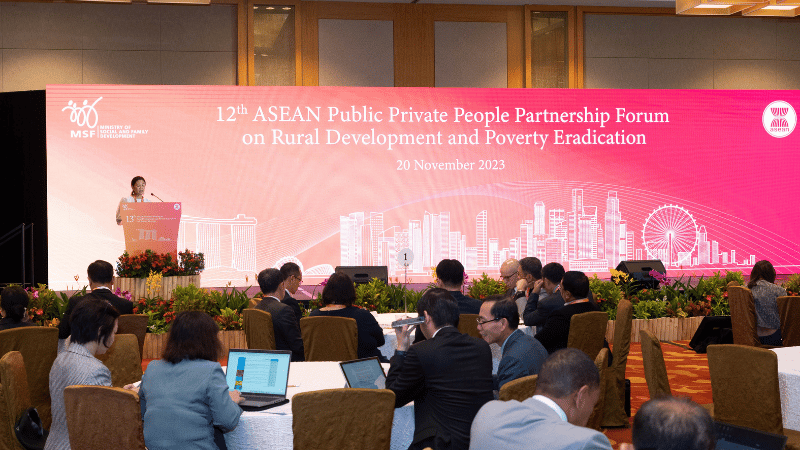
HYDSE Portfolio Example: ASEAN Ministers Meeting (12th ASEAN Public Private Partnership Forum on Rural Development and Poverty Eradication)
Event Type: Regional forum and professional meeting
Meeting Size: Medium-sized corporate and stakeholder event
Venue Example: Marina Bay Sands
HYDSE’s Role
The ASEAN Ministers Meeting involved coordination for an important regional gathering where attendee experience and event flow were key considerations.
For medium-sized professional meetings involving multiple stakeholders, organisers need to consider:
- Guest management
- Venue coordination
- Programme flow
- Technical requirements
- Professional execution
HYDSE’s experience supporting structured meetings demonstrates the importance of having a clear operational plan behind the event.
A successful business meeting is not only about the room itself. It involves ensuring that every stage, from attendee arrival to session completion, runs smoothly.
Suggested Meeting Venues Singapore for 50–200 Pax
For medium-sized corporate meetings, suitable venues include:
| Venue | Suitable For |
| Marina Bay Sands Meeting Rooms | Corporate seminars, professional meetings and business forums |
| Grand Copthorne Waterfront Hotel | Conferences, seminars and corporate gatherings |
| Conrad Singapore Orchard | Executive meetings and business sessions |
| PARKROYAL COLLECTION Marina Bay | Corporate events and networking sessions |
| Singapore Marriott Tang Plaza Hotel | Business meetings and seminars |
| Raffles City Convention Centre | Professional meetings and conferences |
| Lifelong Learning Institute | Training sessions and educational programmes |
Each venue has different strengths depending on the meeting requirements.
For example:
A corporate seminar may prioritise presentation facilities and seating capacity.
A leadership session may prioritise privacy and premium hospitality.
A training programme may require flexible room arrangements.
Recommended Seating Layouts for Medium Meetings
The seating arrangement should match the purpose of the event.
Theatre Style Setup
A theatre-style arrangement places attendees facing the stage or presentation area.
Best suited for:
- Seminars
- Keynote presentations
- Company announcements
- Industry briefings
Advantages:
- Maximises seating capacity
- Creates a clear focus area
- Works well for speaker-led sessions
However, it provides less opportunity for interaction compared to other layouts.
Classroom Style Setup
A classroom arrangement provides tables and seating facing the presenter.
Best suited for:
- Training sessions
- Workshops
- Educational programmes
Advantages:
- Allows note-taking
- Supports learning activities
- Creates a structured environment
This setup works especially well when participants need to follow detailed presentations or training materials.
Cabaret Style Setup
Cabaret seating combines presentation space with group interaction.
Participants sit in small groups around tables while facing the stage.
Best suited for:
- Corporate workshops
- Team discussions
- Interactive seminars
Advantages:
- Encourages collaboration
- Supports networking
- Creates a more engaging atmosphere
U-Shape Setup
U-shape seating works well for smaller medium-sized sessions where interaction is important.
Best suited for:
- Workshops
- Group discussions
- Leadership sessions
Advantages:
- Encourages communication
- Allows presenters to engage directly with participants
Why Medium Meeting Venues Require Professional Planning
Medium-sized events often appear simple compared to large conferences, but they still involve many moving parts.
Organisers need to coordinate:
- Venue preparation
- Speaker requirements
- Audience experience
- Technical support
- Timing management
- Catering arrangements
Without proper planning, small operational issues can affect the overall experience.
For businesses organising important meetings, working with an experienced event partner can help reduce stress and improve execution.
As an events company in Singapore, HYDSE supports businesses by helping them plan and execute professional events with attention to creative direction, technical requirements and operational details.
3. Large Meeting Venues Singapore (200+ pax): Conferences & Large-Scale Business Meetings
Large meetings require a different level of planning compared to smaller corporate gatherings.
When an event involves hundreds of participants, the venue becomes more than just a meeting space. It becomes the foundation for the entire attendee experience.
Large meeting venues Singapore are commonly used for:
- Industry conferences
- Regional business forums
- Healthcare conferences
- Technology events
- Finance and investment events
- Government and corporate gatherings
- Large-scale stakeholder meetings
These events often involve multiple groups of people, including:
- Speakers
- VIP guests
- International delegates
- Sponsors
- Media representatives
- Corporate participants
Because of this, organisers need to consider not only the main meeting room but also the entire event ecosystem.
What Large Meeting Venues Singapore Need to Support
A large-scale meeting requires more than sufficient seating capacity.
The venue should support multiple operational requirements to ensure the event runs smoothly.
1. Delegate Management and Registration Flow
Large meetings often involve hundreds of attendees arriving within a short period.
Without proper planning, registration can become a bottleneck.
A suitable venue should provide space for:
- Registration counters
- Badge collection
- Welcome areas
- Queue management
- Directional signage
The attendee experience begins before the meeting starts.
A smooth registration process creates a professional first impression and helps participants transition into the event comfortably.
For international conferences, this becomes even more important because overseas delegates may be unfamiliar with the venue layout.
2. Stage Setup and Presentation Requirements
Large meetings often involve keynote presentations, panel discussions and multiple speakers.
Therefore, the venue should support:
- Stage construction
- LED screens
- Lighting systems
- Professional sound systems
- Speaker preparation areas
- Confidence monitors
A professional stage setup helps ensure speakers can deliver their message effectively.
For conferences involving important announcements or industry discussions, technical execution plays a major role in maintaining credibility.
3. Audience Experience
Large venues should not only accommodate attendees but also create a comfortable environment.
Important considerations include:
- Clear visibility from all seating areas
- Comfortable temperature control
- Easy movement between spaces
- Accessible facilities
- Professional service support
A participant’s experience is influenced by many small details.
For example:
- Can attendees easily find their seats?
- Can they hear the speakers clearly?
- Are breaks organised efficiently?
- Are networking areas convenient?
These details contribute to the overall success of the event.
4. Networking and Breakout Areas
Many large meetings include networking sessions before, during or after the main programme.
The venue should provide suitable spaces for:
- Coffee breaks
- Sponsor booths
- Exhibition displays
- Informal discussions
- VIP networking
Networking is often one of the most valuable parts of a conference because it allows participants to build relationships beyond the main presentations.
5. Technical and Production Support
Large meetings usually require stronger technical capabilities compared to smaller events.
Common requirements include:
- Multiple microphones
- Audio mixing
- Presentation control
- Recording systems
- Live streaming capabilities
- Technical crew support
Technical planning should begin early because venue limitations can affect event design.
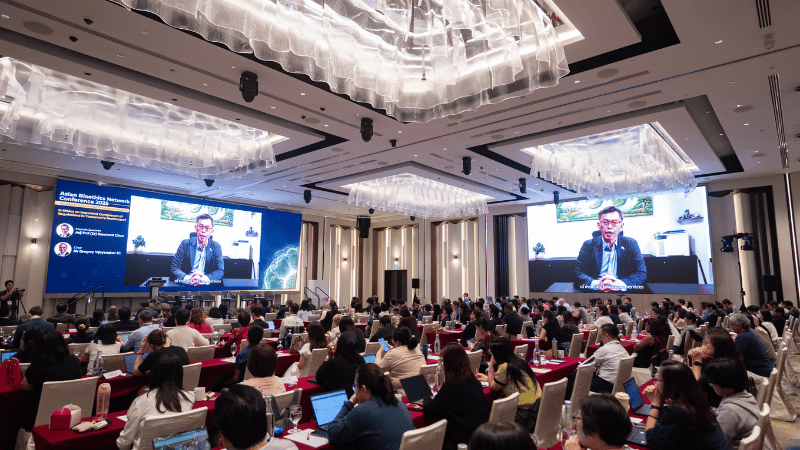
HYDSE Portfolio Example 1: Asian Bioethics Network Conference 2025
Event Type: International conference
Industry: Healthcare and bioethics
Venue Example: Grand Copthorne Waterfront Hotel, Singapore
Event Overview
The Asian Bioethics Network Conference 2025 brought together bioethics leaders from across Asia, Australia and New Zealand.
The conference included:
- Keynote sessions
- Networking opportunities
- Publication launches
- Multiple programme components
The event involved healthcare administrators, policymakers and academics, creating a need for structured coordination and professional execution.
HYDSE’s Role
HYDSE supported the conference through multiple areas of event management, including:
- Conference coordination
- Creative management
- Event planning
- Online content support
- Social media management
For international conferences, successful execution requires coordination across multiple touchpoints.
The venue needs to support not only the main conference sessions but also networking opportunities, supporting activities and attendee engagement.
Why Large Conference Planning Requires Experience
Large conferences involve many moving parts.
A single event may require coordination between:
- Organisers
- Venue teams
- Speakers
- Production crews
- Vendors
- Attendees
Without proper planning, small operational issues can affect the entire event experience.
This is why many organisations work with an experienced event organiser Singapore to manage planning, coordination and execution.
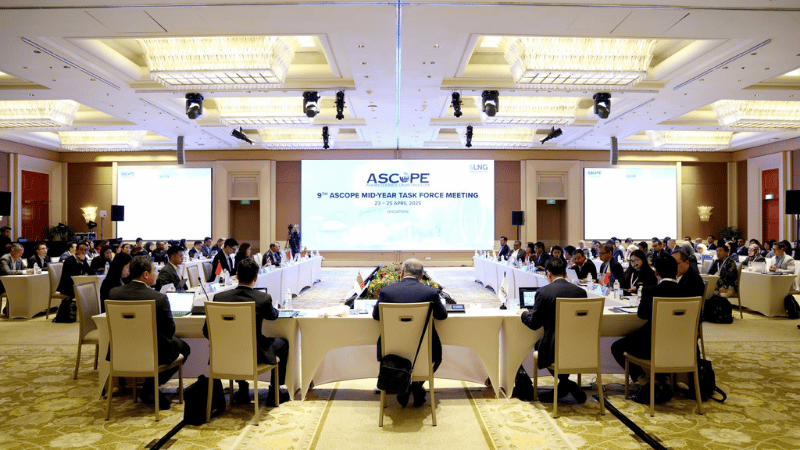
HYDSE Portfolio Example 2: ASCOP Meeting
Event Type: Professional medical conference
Venue Example: Conrad Singapore Marina Bay
Event Overview
ASCOP Meeting involved international participants and required careful coordination to support a professional conference environment.
For conferences involving regional delegates, organisers need to consider:
- Delegate arrival experience
- Conference flow
- Technical requirements
- Venue coordination
- Professional event management
HYDSE’s Role
HYDSE supported the event by managing important operational requirements to ensure the conference experience remained smooth and organised.
Large conferences require attention to detail because attendees are often travelling specifically for the event.
A professional venue experience contributes to:
- Better engagement
- Stronger networking opportunities
- Positive attendee impressions
Suggested Large Meeting Venues Singapore for 200+ Pax
For larger conferences and corporate meetings, suitable venues include:
| Venue | Suitable For |
| Conrad Singapore Marina Bay | International conferences, corporate events and professional gatherings |
| Grand Copthorne Waterfront Hotel | Conferences, seminars and business forums |
| Marina Bay Sands Expo & Convention Centre | Large conferences, exhibitions and MICE events |
| Singapore EXPO | Large-scale conventions, exhibitions and corporate events |
| Resorts World Sentosa Convention Centre | Corporate meetings, conferences and incentive events |
| Raffles City Convention Centre | Professional conferences and corporate gatherings |
The ideal venue depends on the event objective, audience size and operational requirements.
Choosing Between Hotel Venues and Convention Centres
When selecting large meeting venues Singapore, organisers often compare hotels and convention centres.
Both options provide different advantages.
| Venue Type | Advantages | Suitable For |
| Hotels | Hospitality services, accommodation convenience | Corporate conferences and executive events |
| Convention centres | Larger capacity and event infrastructure | Exhibitions and large-scale conferences |
Hotels are often preferred when organisers want a complete experience combining accommodation, meetings and hospitality.
Convention centres are useful when events require:
- Larger spaces
- Multiple halls
- Exhibition areas
- Complex event layouts
Large Meeting Venue Considerations for MNCs and International Organisations
Multinational companies and international organisations often have additional requirements when selecting venues.
These may include:
- Professional branding standards
- VIP arrangements
- International attendee support
- Security considerations
- Consistent event experience
The venue should reflect the organisation’s professionalism and support the event objectives.
For finance, technology and healthcare sectors especially, the meeting environment often needs to communicate credibility and trust.
Why Large Meetings Need Professional Event Support
Large meetings require coordination beyond venue booking.
Professional event support helps manage:
- Event timelines
- Vendor coordination
- Technical production
- Speaker management
- Guest experience
- On-site operations
As a Singapore event company, HYDSE supports organisations by combining creative planning with operational expertise to deliver structured and engaging business events.
From conferences and seminars to large-scale corporate gatherings, professional support helps ensure every component works together.
4. Hybrid Meeting Venues Singapore for Different Group Sizes
Hybrid meetings have become an increasingly important format for organisations that want to connect both physical and remote participants.
Unlike traditional meetings where everyone attends the same venue, hybrid meetings combine:
- In-person attendees
- Virtual participants
- Live presentations
- Digital interaction tools
This format allows organisations to expand their audience reach while still maintaining face-to-face engagement.
However, planning a successful hybrid meeting requires different considerations compared to a traditional meeting.
A venue that works well for a physical meeting may not automatically support a seamless virtual experience.
When selecting hybrid meeting venues Singapore, organisers need to consider both the physical environment and the digital experience.
What Are Hybrid Meetings?
A hybrid meeting combines physical and virtual participation within the same event.
Examples include:
- Corporate town halls with remote employees
- International conferences with overseas participants
- Industry forums with online audiences
- Business seminars with virtual attendees
A successful hybrid event should ensure that both audiences feel included.
Physical attendees should enjoy the in-person experience, while remote participants should still be able to:
- Hear speakers clearly
- View presentations
- Participate in discussions
- Engage with the programme
Why Hybrid Meetings Require Different Venue Planning
Hybrid events require more than a meeting room and an internet connection.
The venue must support additional technical requirements.
These include:
- Camera placement
- Audio management
- Lighting requirements
- Broadcast setup
- Internet stability
- Virtual audience interaction
A venue that does not consider these factors may create issues such as:
- Poor audio quality
- Limited camera angles
- Technical delays
- Reduced online engagement
Therefore, hybrid meeting venues Singapore should be selected based on both physical and digital requirements.
Important Features of Hybrid Meeting Venues Singapore
1. Reliable Internet Infrastructure
Stable internet connectivity is one of the most important requirements for hybrid meetings.
A connection issue can immediately affect remote participants’ experience.
Organisers should confirm:
- Internet speed
- Dedicated network availability
- Backup solutions
- Technical support
For important corporate meetings, connectivity should be tested before the event day.
2. Professional Audio and Video Setup
Audio quality is especially important for hybrid meetings.
Remote participants may tolerate average video quality, but unclear audio can make the entire session difficult to follow.
Important considerations include:
- Microphone placement
- Speaker coverage
- Camera positioning
- Lighting conditions
The venue should allow technical teams to create a professional broadcast experience.
3. Space for Production Equipment
Hybrid events often require additional equipment.
The venue should provide enough space for:
- Cameras
- Technical operators
- Lighting equipment
- Control stations
- Streaming equipment
A venue may appear large enough for attendees but still lack sufficient space for production requirements.
4. Audience Engagement Features
One challenge of hybrid meetings is keeping remote participants engaged.
Organisers can consider:
- Live Q&A sessions
- Online polls
- Interactive platforms
- Digital networking tools
The objective is to create one connected experience instead of treating online participants as passive viewers.
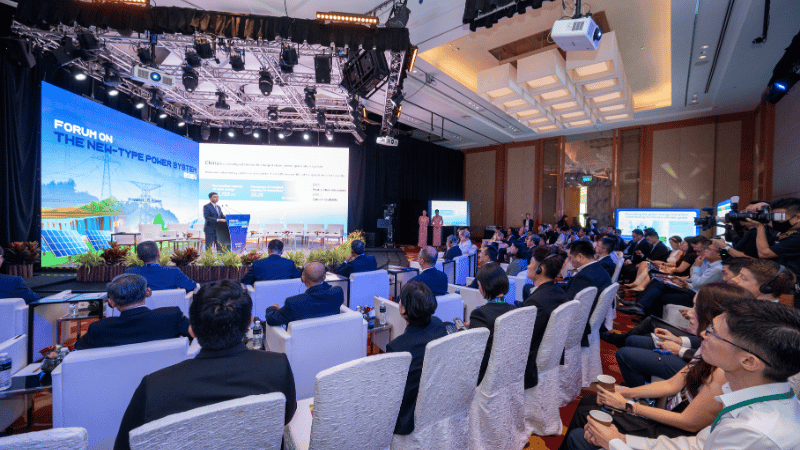
HYDSE Portfolio Example: Forum on the New-Type Power System
Event Type: Hybrid forum
Venue Example: Marina Bay Sands Hybrid Broadcast Studio
Event Overview
The Forum on the New-Type Power System required a format that could support both physical and digital participation.
Hybrid events are especially useful for industry discussions where participants may come from different locations.
HYDSE’s Role
For hybrid meetings, event execution requires coordination between creative planning, technical production and audience management.
HYDSE’s capabilities include supporting physical, virtual and hybrid event experiences through event technology integration and production support.
A successful hybrid meeting requires careful coordination of:
- Venue setup
- Technical equipment
- Speaker preparation
- Digital audience experience
- Programme flow
Suggested Hybrid Meeting Venues Singapore
Suitable venues for hybrid meetings include:
| Venue | Suitable For |
| Marina Bay Sands Hybrid Broadcast Studio | Professional hybrid events and corporate broadcasts |
| Singapore EXPO | Large hybrid conferences and business events |
| Grand Copthorne Waterfront Hotel | Corporate meetings with hybrid requirements |
The right venue depends on:
- Audience size
- Production complexity
- Number of speakers
- Online participation requirements
5. Choosing a Meeting Venue Based on Your Requirements
Finding the right meeting venues Singapore requires more than selecting a space based on size.
A venue should match the organisation’s objectives, audience expectations and operational requirements.
Before confirming a venue, organisers should review the following areas.
Meeting Objectives
The first question organisers should ask is:
What is the purpose of this meeting?
Different objectives require different venue features.
| Objective | Venue Requirements |
| Leadership discussion | Privacy and comfortable environment |
| Training session | Flexible layouts and learning facilities |
| Seminar | Presentation support and audience seating |
| Conference | Large capacity and technical infrastructure |
| Networking event | Open interaction spaces |
A venue should support the intended outcome of the meeting.
For example, a strategic discussion may not benefit from a large conference hall because the environment may feel too distant.
Meanwhile, a conference requires enough space to accommodate attendees comfortably.
Attendee Profile
Understanding who will attend the meeting helps determine the appropriate venue.
Consider:
- Internal employees
- Clients
- Business partners
- Government representatives
- International delegates
Different audiences may have different expectations.
For example:
A client-facing meeting may require a more premium environment.
An international conference may require stronger accessibility and hospitality support.
A training session may require practical seating arrangements and learning facilities.
Security Requirements
Some meetings involve confidential information or important stakeholders.
These may require additional considerations such as:
- Controlled access
- Private meeting rooms
- Guest registration
- Security arrangements
For corporate and government-related meetings, security planning should be considered during the venue selection process.
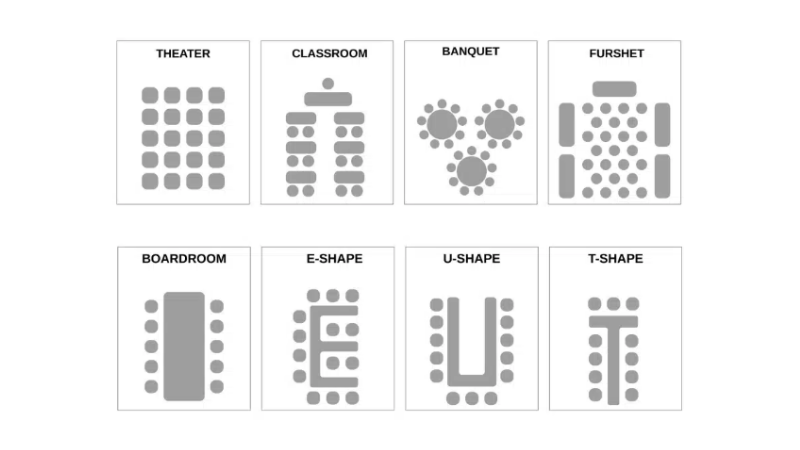
Seating Layout and Room Arrangement
The room setup directly influences how participants interact and experience a meeting. Choosing the right seating arrangement helps organisers create an environment that matches the purpose of the event, whether it is a presentation, discussion, workshop or networking session.
Different meeting formats require different layouts. For example, a conference with a large audience may require a theatre setup, while an interactive workshop may benefit from arrangements that encourage closer communication between participants.
| Layout | Best For | Advantages |
| Theatre | Conferences, seminars and presentations | Maximises audience capacity and keeps focus on the presenter |
| Classroom | Training sessions and educational programmes | Provides space for note-taking and structured learning |
| Banquet | Networking events and corporate gatherings | Encourages group interaction and social engagement |
| Furshet | Reception-style events and networking sessions | Allows flexible movement and informal conversations |
| Boardroom | Executive meetings and private discussions | Encourages direct communication and decision-making |
| E-shape | Workshops and interactive discussions | Supports smaller group interactions while maintaining presentation focus |
| U-shape | Discussions, workshops and training sessions | Encourages participation between presenters and attendees |
| T-shape | Presentations with discussion-based formats | Creates a balance between presentation space and participant interaction |
The layout should always match the objective of the meeting.
A seminar focused on presentations may require a theatre or classroom setup, while a workshop involving discussions and activities may benefit from U-shape, E-shape or T-shape arrangements. For networking-focused events, banquet or reception-style layouts can provide more opportunities for participants to interact.
Accessibility and Location Considerations for Meeting Venues Singapore
Accessibility is one of the most important factors when selecting a meeting venue.
A venue may have excellent facilities, but if attendees face difficulties reaching the location, it can affect punctuality and overall experience.
When evaluating accessibility, organisers should consider:
- Proximity to MRT stations
- Availability of parking facilities
- Ease of navigation within the building
- Accessibility for elderly guests or participants with mobility needs
- Distance from hotels for overseas delegates
For meetings involving international participants, location becomes even more important.
Singapore’s central business districts and established MICE locations are popular because they provide convenient access to:
- Business offices
- Hotels
- Transport connections
- Dining options
- Supporting facilities
A well-located venue helps attendees arrive comfortably and allows the meeting to begin smoothly.
Technology Requirements
Technology plays an increasingly important role in modern meetings.
Even smaller corporate gatherings often require digital tools to support presentations, communication and collaboration.
Before confirming meeting venues Singapore, organisers should review the available technical capabilities.
Important considerations include:
- Presentation screens
- Audio systems
- Wireless microphones
- Video conferencing support
- Internet connectivity
- Recording capabilities
- Technical assistance
For conferences and hybrid events, these requirements become even more important.
A professional technical setup helps ensure:
- Speakers can deliver presentations smoothly
- Participants can follow discussions clearly
- Remote attendees remain engaged
- Programme transitions happen efficiently
Technical planning should also include backup considerations.
For example:
- What happens if equipment fails?
- Is technical support available during the event?
- Can additional equipment be brought in?
These questions help prevent unexpected disruptions.
Branding Requirements
Corporate meetings are often opportunities for organisations to communicate their brand identity.
The venue environment can support this through:
- Registration counters
- Welcome areas
- Stage backdrops
- Digital displays
- Signage
- Branded materials
For company conferences, product launches and stakeholder meetings, branding helps create a more memorable experience.
A professionally designed event environment can reinforce:
- Company values
- Event objectives
- Key messages
The venue should provide enough flexibility for branding elements without affecting the overall participant experience.
Event Flow and Participant Experience
A successful meeting is not only about what happens inside the meeting room.
The entire participant journey should be considered.
This includes:
Before the Meeting
Participants should receive:
- Clear event information
- Venue directions
- Registration details
- Programme schedules
Arrival Experience
The venue should support:
- Smooth registration
- Easy navigation
- Clear signage
- Efficient guest management
During the Meeting
The environment should allow:
- Comfortable participation
- Clear communication
- Smooth programme transitions
After the Meeting
Consider:
- Networking opportunities
- Feedback collection
- Follow-up communication
When all these elements are planned together, the meeting becomes a more complete experience.
How HYDSE Supports Different Meeting Requirements
Choosing suitable meeting venues Singapore is an important first step, but successful events require more than just securing a location.
Businesses often require support with planning, coordination and execution to ensure every element works together.
As an event organiser Singapore, HYDSE helps organisations manage different types of professional events through strategic planning, creative solutions and operational support.
Venue Planning and Coordination
The venue forms the foundation of the event experience.
HYDSE helps organisations consider:
- Venue suitability
- Room requirements
- Event flow
- Technical considerations
- Guest experience
Rather than viewing the venue as a standalone space, HYDSE considers how every element contributes to the success of the meeting.
Event Design and Creative Direction
Professional meetings today often require more than traditional setups.
Companies are increasingly looking for events that are:
- Engaging
- Memorable
- Aligned with their brand
This may include:
- Event branding
- Creative concepts
- Stage design
- Audience engagement elements
HYDSE has experience combining creative direction with event execution to create meaningful experiences for different audiences.
Technical Production Support
Technical requirements can significantly influence the success of a meeting.
HYDSE supports events that require:
- Audio visual coordination
- Multimedia production
- Hybrid event solutions
- Technical management
The team’s experience includes physical, virtual and hybrid event capabilities, supported by in-house design, video and multimedia production expertise.
Registration and Delegate Management
For larger meetings and conferences, attendee management is a key part of event success.
HYDSE supports areas such as:
- Registration planning
- Guest flow
- On-site coordination
- Attendee experience
A smooth registration process helps create a positive first impression and allows the event to begin efficiently.
VIP and Stakeholder Management
Some meetings involve:
- Senior executives
- Government representatives
- Industry leaders
- International delegates
These events require careful planning around:
- Protocol requirements
- Guest movement
- Timing coordination
- Hospitality arrangements
HYDSE’s experience managing high-profile events demonstrates the importance of detailed preparation and professional execution.
For example, HYDSE supported the MINDEF NS Square Groundbreaking Ceremony 2024, where the team managed event execution, registrations and the challenges of operating within a construction site environment.
Why Businesses Choose Professional Meeting Support
Organising a meeting involves managing many details at the same time.
Without proper coordination, businesses may face challenges such as:
- Unclear responsibilities
- Technical issues
- Poor attendee experience
- Delayed programme flow
Working with an experienced partner allows internal teams to focus on their business objectives while event specialists manage operational requirements.
As an events company in Singapore, HYDSE works with organisations to plan and execute professional meetings, conferences and corporate events.
Finding the Right Meeting Venue Partner in Singapore
Choosing suitable meeting venues Singapore is an important part of creating a successful business event.
However, the venue itself is only one component.
The most effective meetings combine:
- The right location
- Suitable room arrangement
- Professional event planning
- Reliable technical support
- Smooth attendee management
- Engaging experiences
Whether you are organising a private corporate discussion, a seminar, a conference or a hybrid event, understanding your requirements will help you select a venue that supports your objectives.
Singapore offers many venue options for different event formats and group sizes. The key is identifying the space that matches your audience, purpose and expected experience.
With experience across meetings, conferences, seminars and large-scale events, HYDSE supports organisations by combining event strategy, creative execution and operational expertise.
From venue planning to event day management, the right partner can help transform a meeting from a simple gathering into a professional and memorable experience.
If your organisation is planning an upcoming meeting and requires support with planning, coordination or execution, working with an experienced Singapore event company can help ensure every detail is managed professionally.