
Organising your first seminar can feel complicated. After all, you need a programme that delivers value, a venue that works, speakers who are prepared and an event team that keeps everything moving. If you are researching how to organise a seminar in Singapore, start with the purpose of the event and work towards the details. That sequence makes every later decision easier.
This guide explains how to organise a seminar from start to finish, including the practical decisions that often receive less attention. It draws on the experience of HYDSE, a Singapore-based event company in Singapore that has supported government and professional events, including the Family Justice Courts Workplan Seminar 2026. Use the sections below as a working guide, then adapt them to your audience and event size.
1. How to Organise a Seminar: Define Your Objectives and Target Audience
Before contacting venues, explain what the seminar should achieve in one or two sentences. For example, are you sharing specialist knowledge, training employees, bringing professionals together, introducing a policy or encouraging discussion? The objective determines the audience, speakers, programme, room layout and measurements of success.
Answer these questions at the outset:
- Who needs to attend, and why would the topic matter to them?
- What should participants know, feel or be able to do afterwards?
- Is attendance invitation-only, free, paid or mandatory?
- How many people are realistically expected, rather than merely invited?
- Will there be one main session, panel discussions or simultaneous breakout rooms?
- Will attendees join in person, online or through a hybrid format?
- What outcome would make the event successful?
HYDSE’s involvement in the Family Justice Courts Workplan Seminar 2026 illustrates the operational support required for formal professional events. In particular, its documented responsibilities included technical operations in coordination with the FJC team, event photography and video recording. The content and objectives remained the organiser’s responsibility, while reliable execution supported the programme.
2. How Much Does It Cost to Organise a Seminar in Singapore?
There is no single fixed price for a seminar. Instead, the cost depends on attendance, duration, location, room configuration, programme complexity, speaker requirements and production standards. For example, a straightforward in-house seminar using existing facilities will have very different requirements from a full-day conference with keynote speakers and hybrid livestreaming.
When learning how to organise a seminar, build your budget around actual requirements instead of starting with an arbitrary package price. If several vendors are involved, professional event management in Singapore support can help coordinate their scopes.
Identify the costs that apply to your event:
| Cost category | Variables to consider |
|---|---|
| Venue | Rental duration, room size, setup access, furniture, additional rooms, overtime and service charges |
| Catering | Headcount, tea breaks, meals, service staff, dietary requirements and final guaranteed numbers |
| AV and production | Microphones, speakers, screens, lighting, playback, operators, recording and livestreaming |
| Speakers and moderators | Speaking fees, travel, accommodation, preparation and hospitality, where applicable |
| Registration | Event website, registration platform, payment processing, badges, check-in equipment and staffing |
| Marketing | Design, invitations, email campaigns, social content, advertising and partner outreach |
| Event materials | Stage backdrop, directional signs, name cards, printed materials and presentation assets |
| Operations | Manpower, transport, loading arrangements, supplier coordination and contingency support |
3. How to Choose a Suitable Venue When You Organise a Seminar
A suitable venue should support the programme and the people attending it. Therefore, start with location, usable capacity and technical requirements. In Singapore, proximity to an MRT station, sheltered access, lift availability and clear directions can make a material difference to the guest experience.
Next, check how many participants the room can accommodate in the layout you actually need. Theatre seating works for presentations. Classroom seating, meanwhile, supports note-taking and training. Round tables are useful for discussions. Similarly, a U-shaped setup can suit smaller interactive groups. However, screens, cameras, stage platforms and walkways reduce the usable space.
- Is the room available for setup and rehearsal before guests arrive?
- Are sound equipment, screens, Wi-Fi and technical staff included?
- Can the venue support breakout sessions or a speaker holding room?
- Where will registration, refreshments and networking take place?
- Is the venue accessible to guests with mobility needs?
- Are there restrictions on external caterers, signage or equipment installation?
- What happens if the programme overruns or attendance changes?
For a fuller comparison of room sizes, seating formats and practical venue selection criteria, see HYDSE’s guide to meeting venues in Singapore. Venue planning deserves its own research, so keep the seminar brief close at hand when comparing options.
4. How to Arrange Catering When You Organise a Seminar
First, estimate the number of attendees and confirm the caterer’s deadline for final numbers. Then ask about vegetarian, halal and other dietary needs based on the information you collect from registrants. In addition, make sure food is labelled clearly and that special meals can be identified without inconveniencing guests. Before confirming a supplier, you can also check a caterer’s licence and track record on the Singapore Food Agency’s licensed food establishments page.
Use the programme to plan refreshments. For instance, avoid scheduling a meal break immediately before a lengthy transfer between rooms. For a large audience, stagger service or provide enough collection points to reduce congestion. Also coordinate with the venue so catering staff can set up without interrupting presentations.
HYDSE Portfolio Example: Seminar for Chinese Pre-school Chinese Language Teachers 2025
Client: Ministry of Education (MOE)
Venue: Dunman High School
Event size: More than 700 preschool Chinese-language teachers
Organised by the Committee to Promote Chinese Language Learning, this professional learning seminar featured keynote sharing and six concurrent breakout sessions. HYDSE coordinated participant registration, all six breakout sessions, catering, event collaterals and on-site operations.
HYDSE’s role: Catering had to work around the programme and the movement of more than 700 participants. As a result, the project shows why refreshments, breakout schedules and attendee flow should be planned together, not treated as separate vendor tasks.
5. What AV Equipment Do You Need to Organise a Seminar?
Start with an AV requirements list:
- Microphones: handheld, lapel, headset or podium microphones for presenters, moderators and questions.
- Audio: speakers, mixing controls and a technician who can respond to feedback or volume problems.
- Display: projector, LED screen or multiple displays positioned for clear sightlines.
- Presentation: suitable laptop connections, adapters, clickers, backup files and video playback.
- Lighting: adequate stage lighting that supports both visibility and photography.
- Recording: camera positions and audio feeds if a record of the proceedings is required.
- Hybrid delivery: cameras, livestreaming platform, internet connection, remote speaker feeds and monitoring.
An on-site rehearsal should test more than whether the projector switches on. Instead, run through transitions between speakers, videos, panel discussions, microphone handovers and any livestream segments. In addition, check what people at the back of the room can read and hear.
How to organise a hybrid seminar
A hybrid event serves two audiences, not just one audience watching a camera feed. Online participants need clean audio, readable presentation content, a reliable way to submit questions and clear instructions for joining. Meanwhile, the in-person programme should not be disrupted by technical delays.
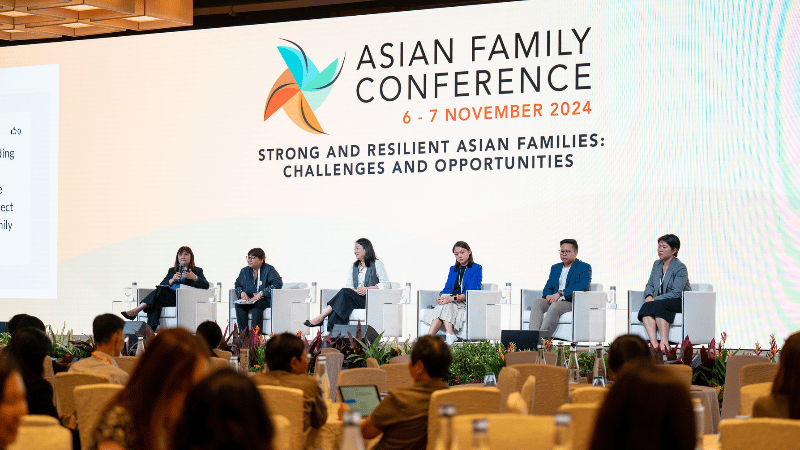
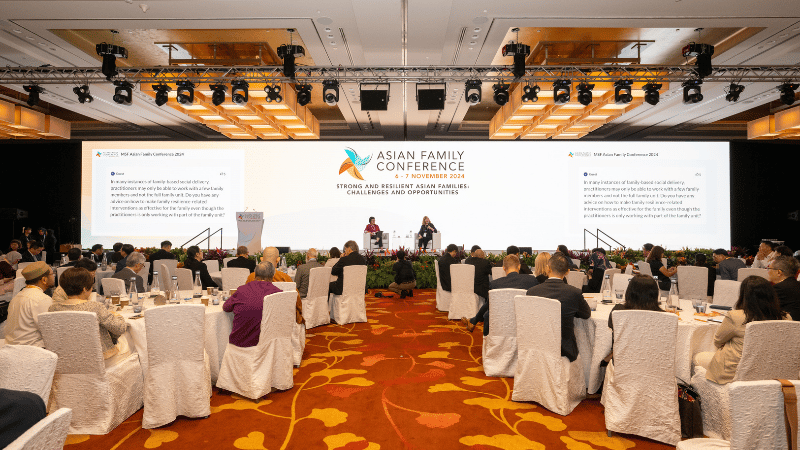
HYDSE Portfolio Example: Asian Family Conference 2024
Client: Ministry of Social and Family Development (MSF)
Event format: Two-day conference with physical and virtual attendance
Event size: More than 600 in-person and 1,000 virtual attendees
HYDSE handled overall event management, including conceptualisation, design, website development, registration, AV and lighting systems, and livestreaming. The programme also involved seven breakout sessions and a roundtable discussion.
HYDSE’s role: The technical and registration teams had to support both physical and remote participation. Therefore, this example illustrates why hybrid seminars need integrated planning for programme cues, livestream feeds, audience access and on-site production.
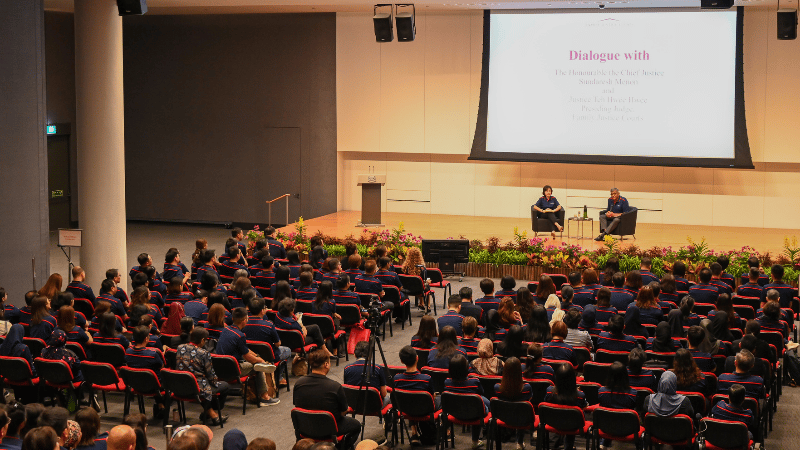
HYDSE Portfolio Example: Family Justice Courts Workplan Seminar 2026
Client: Family Justice Courts
Event type: Annual professional workplan seminar
HYDSE worked alongside the Family Justice Courts team to operate the technical aspects of the event. It also provided a roving photographer and a videographer using a static camera setup to record the proceedings.
HYDSE’s role: Technical operations and documentation supported the formal programme. In short, this is a useful reminder that even an in-person seminar needs dependable AV support and well-planned recording arrangements.
6. How to Organise a Seminar Programme and Agenda
A good agenda gives people enough time to learn, ask questions, move between sessions and take a break. Start with the event objective and decide which sessions are truly necessary. Then work backwards from your preferred finish time.
How to organise a half-day seminar: sample programme
| Time | Activity | Planning notes |
|---|---|---|
| 8:30 am | Registration and refreshments | Open check-in before the first session |
| 9:00 am | Welcome and housekeeping | Explain facilities, safety information and Q&A format |
| 9:15 am | Opening keynote | Confirm slides, microphone and timing |
| 10:00 am | Speaker presentation | Allow a short transition between speakers |
| 10:40 am | Tea break | Coordinate catering and movement outside the room |
| 11:00 am | Panel discussion | Provide moderator briefing and audience microphones |
| 11:45 am | Q&A and key takeaways | Collect questions and summarise the discussion |
| 12:15 pm | Closing remarks | Share follow-up information and feedback link |
| 12:30 pm | Networking or departure | Keep staff available for guest assistance |
For a real example of a complex professional programme, review the Asian Bioethics Network Conference 2025 programme. Its pre-conference activities and main conference sessions show how a multi-part event can organise talks, discussion and exchanges across different days.
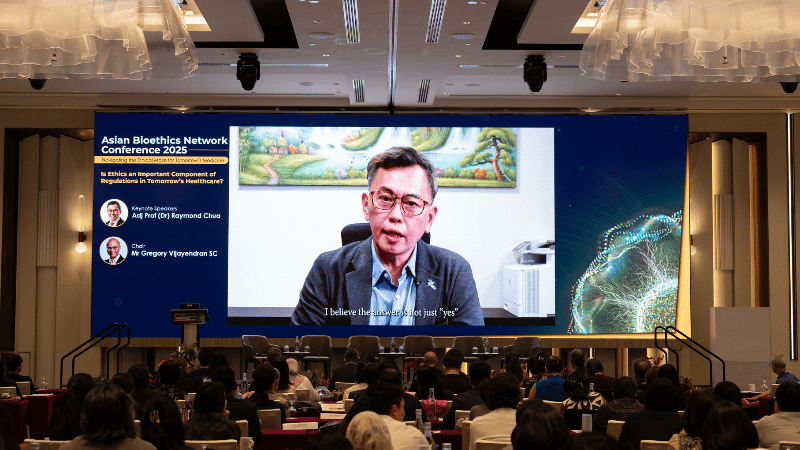
HYDSE Portfolio Example: Asian Bioethics Network Conference 2025
Client: Conference organised by the Bioethics Advisory Committee and NUS Centre for Biomedical Ethics, with support from the Ministry of Health
Venue: Grand Copthorne Waterfront Hotel, Singapore
Event size: More than 300 attendees
The conference combined a pre-conference day, main conference sessions, an off-site visit, a gala dinner and two publication launches. HYDSE coordinated the overall programme and managed the event’s social media channels and official website content.
HYDSE’s role: Multiple activities across different settings required coordinated scheduling, guest communication and consistent information. Consequently, the published programme provides a practical reference for organisers planning multi-session seminars.
7. How to Manage Registration and Attendees When You Organise a Seminar
Build a useful event website or registration page
Include the seminar title, date, start and end times, location, audience, programme highlights, speaker information and registration instructions. In addition, explain whether seats are limited, whether attendance is free or paid, and whom participants can contact for assistance.
Collect only the information needed to manage the event. Typical fields include name, organisation, email, attendance type and relevant dietary or accessibility requirements. Also make the purposes of data collection clear, particularly when information may also be used for event follow-up. The PDPC’s data protection obligations outline what organisations should consider when collecting and using attendees’ personal data.
Plan the registration journey
For on-site registration, use a clearly marked check-in counter and a reliable method of identifying attendees. Depending on the size and format, this might be QR scanning, a searchable attendee list or pre-printed badges. Furthermore, prepare a fallback process in case a device, scanner or network connection fails.
HYDSE uses an in-house registration system developed through its event experience to support attendee check-in. Its work on the Asian Bioethics Network Conference 2025 also covered the official event website and digital communication channels. As a result, the conference’s online registration and programme information helped bring key event details into one accessible location.
8. How to Promote Your Seminar and Attract Attendees
Begin by identifying the audience and where it already receives professional information. For example, employees may respond best to internal communications. Industry professionals, on the other hand, may discover seminars through association newsletters, LinkedIn, professional networks or direct invitations. Meanwhile, a public seminar may need broader digital promotion and paid media.
Build a simple promotion sequence
- Announce the topic and date once the key details are confirmed.
- Launch an event page with an easy registration process.
- Share useful content about the speakers, agenda and learning outcomes.
- Ask partners, associations or speakers to share relevant announcements.
- Send reminders to people who have not registered, where appropriate.
- Send practical attendance instructions to confirmed participants.
- Follow up after the seminar with relevant resources or recordings.
Improve attendance, not just registrations
Registrations do not guarantee that people will turn up. Therefore, make the value of attending clear throughout the lead-up period. Send reminders at sensible intervals, include directions and the start time, and give attendees a way to add the session to their calendars. For selected professional events, a pre-event question can also encourage participation.
For Asian Bioethics Network Conference 2025, HYDSE managed digital channels including Instagram, Facebook, LinkedIn and the official website, along with content creation. This is a practical example of coordinating different communication touchpoints around one event.
If promotion, design and operations involve several suppliers, choosing a Singapore event company with integrated capabilities can simplify coordination. Even then, the seminar organiser should remain clear about the audience, message and desired outcome.
9. How to Organise Seminar Logistics and Event-Day Preparation
Good planning becomes visible on event day. For instance, attendees experience a clear route into the venue, well-timed sessions and staff who know how to help. Behind the scenes, however, this requires detailed coordination of people, equipment, suppliers and spaces.
Create an operational plan that includes:
- Venue access for setup, deliveries, testing and teardown.
- Contact details for the venue, caterer, AV team, organiser and emergency support.
- Staff assignments for registration, ushering, speaker support and guest assistance.
- Signage for entrances, lifts, registration counters, breakout rooms and washrooms.
- The approved floor plan, seating arrangement and stage positions.
- Equipment arrival, installation, testing and backup arrangements.
- Speaker arrival times, final slide files and microphone requirements.
- Catering delivery, service, replenishment and cleanup times.
- A run sheet with responsible persons and decision-making authority.
Conduct a site recce before you organise the seminar
Do not rely solely on a venue floor plan. After all, a location that appears spacious on paper may become crowded once furniture, technical equipment and people are added. Likewise, a small obstacle near registration can create a queue that affects the arrival experience.
HYDSE’s event team conducts site recce visits to check venue setup, AV requirements and operational needs before execution. In short, this practical habit helps identify issues while there is still time to adjust the plan.
Rehearse the moments that matter
Prioritise high-risk transitions: opening cues, stage entrances, presentations with video, panel microphones, livestream connections and formal closing segments. Also confirm who calls each cue and how the team communicates changes.

HYDSE Portfolio Example: MOE World Book Day 2025 and 2026
Client: Ministry of Education (MOE)
Event type: Educational and cultural event
HYDSE developed branding and event materials and managed execution, including the opening ceremony and award presentation segments. The 2026 event was attended by more than 500 people.
HYDSE’s role: Although World Book Day is not a conventional seminar, it demonstrates the importance of cue management, on-site coordination and reliable programme transitions for educational events with large audiences.
10. How to Manage VIPs, Speakers and Guest Experience
Speakers and VIPs may need a different arrival and briefing process from general attendees. Their experience should therefore be discreet, professional and well coordinated without disrupting the rest of the event.
Confirm expected arrival times, escort arrangements, seating, holding areas, stage access and speaking order. Then brief moderators on names, designations, session objectives and time limits. For important guests, agree on protocol requirements with the host organisation rather than making assumptions.
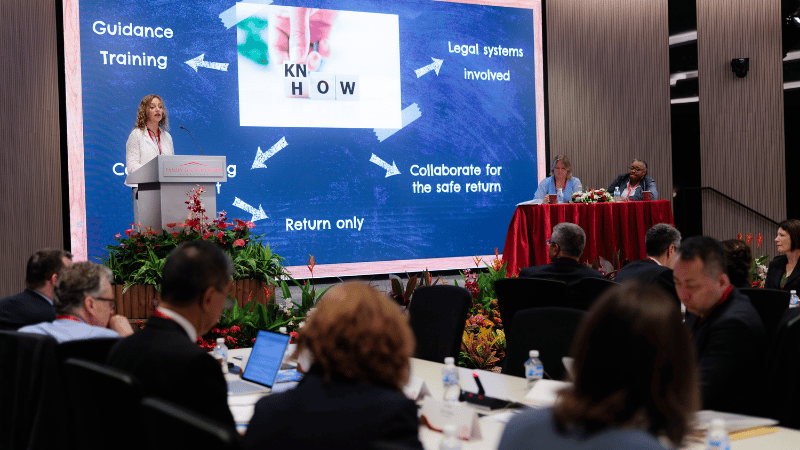
HYDSE Portfolio Example: International Family Week 2025
Client: Singapore Courts, Family Justice Courts
Delegate profile: 68 family judges and judiciary members from 40 jurisdictions
Duration: Four days of professional meetings
HYDSE coordinated third-party suppliers for hospitality activities, including dinners and a river cruise. It also supported registration, manpower, AV and lighting, backdrops, photography and videography.
HYDSE’s role: The event brought international delegates together across several meetings and activities. In other words, it shows how speaker and VIP arrangements, arrival information, venue logistics and hospitality must be coordinated as one guest experience.
11. What to Do After Your Seminar
Within a suitable period after the event, send attendees a thank-you message. Include agreed presentation resources, relevant links, certificates or recordings where available and permitted. If promised materials are not yet ready, however, give a realistic update rather than leaving participants wondering.
Collect useful feedback
Keep surveys focused. For example, ask whether the content met expectations, which sessions were useful, whether the programme was easy to follow and what could improve. A short survey is often more useful than a lengthy form that few people complete.
Ask the event team what went well and what caused delays. Did registration queues build up? Were all presentations ready? Did catering arrive on time? Did speakers know where to go? Finally, record lessons while they are fresh and retain useful templates for the next seminar.
12. How to Organise a Sustainable Seminar in Singapore
Sustainability can be part of everyday event decisions without turning the seminar into a separate environmental campaign. In fact, the most effective approach is to consider waste, materials, catering and transport early, before orders and quantities are fixed.
Reduce single-use items
Where venue arrangements allow, replace individual bottled water with refill stations, jugs or reusable glasses. Tell attendees in advance if they should bring a reusable bottle. Also ask catering suppliers about reusable serviceware and avoid automatically placing disposable items at every seat.
Use digital materials where practical
Digital invitations, QR-code programmes, online feedback forms and downloadable presentation materials reduce unnecessary printing. Print only what guests genuinely need, such as essential wayfinding or specific accessible materials. If printed items are required, however, confirm quantities carefully so large stacks do not go unused.
Match catering to likely attendance
Collect RSVPs and dietary information, then update the caterer within the agreed deadline. Consider portions, replenishment and food service timing. In addition, discuss arrangements for appropriate surplus food handling with the caterer rather than improvising after the event.
An accessible venue near public transport can reduce friction for attendees and support lower-impact travel choices. Similarly, coordinate delivery windows to avoid unnecessary repeat trips, where possible. Also consider whether decorations and furniture can be reused instead of produced for a single event.
Singapore’s National Environment Agency provides practical guidance on reducing disposables, including resources relevant to events. HYDSE has also adopted measures such as reducing single-use bottled water and minimising unnecessary printing through digital materials.
When deciding how to organise a seminar sustainably, choose actions that fit the venue, audience and operational needs. Even modest improvements are worthwhile when they are planned and carried out consistently.
13. How to Organise a Seminar: Planning Checklist
Use this checklist as a starting point. The exact lead time will depend on the seminar’s scale, speaker availability and approval process, so assign dates and owners rather than assuming every event follows the same schedule.
Early planning
- Define the seminar objective and intended audience.
- Decide the format, provisional date, duration and target attendance.
- Establish a budget range and approval process.
- Identify internal decision-makers and appoint a lead organiser.
- Prepare the preliminary agenda and approach key speakers.
- Compare suitable venues and confirm access requirements.
- Identify AV, catering, registration and staffing needs.
- Agree on practical sustainability measures.
Before registration opens
- Confirm venue booking and the main programme details.
- Prepare the event website or registration form.
- Set up attendee confirmation and RSVP tracking.
- Prepare invitation and promotional materials.
- Confirm how accessibility and dietary requests will be handled.
- Create an internal task tracker with owners and deadlines.
In the final weeks
- Review registration numbers and expected attendance.
- Confirm final speaker details, slides and moderator briefs.
- Conduct the site recce and approve the floor plan.
- Finalise catering numbers within the supplier deadline.
- Test registration devices and establish a backup process.
- Confirm AV, livestreaming and recording requirements.
- Prepare badges, signage, digital programmes and check-in lists.
- Finalise the run sheet and on-site contact directory.
- Send attendee instructions and reminders.
On event day
- Complete room setup, equipment tests and rehearsals.
- Brief staff, ushers, technicians and suppliers.
- Open registration with sufficient time before the first session.
- Monitor session timings, queues, catering and guest movement.
- Keep a named decision-maker available for urgent changes.
- Confirm safe teardown and supplier handover.
After the seminar
- Send thank-you messages and agreed resources.
- Collect attendee and speaker feedback.
- Review attendance and other event objectives.
- Reconcile expenses and supplier deliverables.
- Organise approved photos, video and event documentation.
- Record lessons learned for the next seminar.
For larger events, a professional team handling event management in Singapore can coordinate several workstreams while the host focuses on the programme and stakeholders. However, keep the same clear task ownership even for a small seminar.
14. Common Mistakes to Avoid When You Organise a Seminar
Underestimating registration queues
Inviting 200 people does not mean 200 people will arrive evenly across an hour. In fact, many may appear in the final 15 minutes. If there are too few check-in stations, the queue can affect the scheduled opening. Therefore, plan peak arrivals, clear signage, sufficient staff and a fallback check-in process. HYDSE’s in-house registration system is designed to support smoother attendee processing, but staffing and floor layout remain important.
Skipping the venue inspection
A floor plan cannot reveal every operational constraint. Instead, conduct a site recce to check stage visibility, cable routes, power supply, loading access, room changes and catering movement. HYDSE includes site inspections in its preparation process to verify requirements before event day.
Treating AV as a last-minute detail
An excellent presentation has little impact if the microphone fails or the slides are unreadable. Therefore, confirm equipment specifications early and schedule rehearsal time. For hybrid programmes, test both the in-person and online experience.
Creating an agenda without buffers
Back-to-back sessions leave little room for delayed speakers, questions or room changes. As a result, build realistic transition periods into the run sheet and assign someone to monitor time. Brief moderators so they know when to close a discussion politely.
Leaving guest communication too late
Attendees should not have to search for the venue address, check-in point or agenda on the morning of the event. Instead, send clear confirmations and reminders. Also ensure organisers, speakers and suppliers work from the same latest information.
Ignoring backup plans
Have a response for late speakers, equipment failure, rain affecting entry routes, unexpected attendance and supplier delays. Not every scenario needs a complex plan, but every critical dependency needs an owner and an alternative action.
Forgetting local event requirements
Requirements depend on the venue and activities, especially where overseas speakers, public-facing activities or specialist equipment are involved. Therefore, discuss venue conditions, relevant approvals, insurance and safety responsibilities with the appropriate parties. Singapore’s official business-events resource provides information on event planning requirements, including permits and insurance considerations. Check what applies to your particular seminar rather than assuming every event needs the same approvals.
Many of these mistakes share one cause: separate teams plan their own tasks without checking how everything connects. Ultimately, a joined-up run sheet, site recce and clear communication reduce that risk.
15. Frequently Asked Questions About How to Organise a Seminar
How far in advance should I start to organise a seminar?
Start as soon as the purpose, audience and likely scale are clear. For example, a small internal session may need only a few weeks if the room and speakers are available. A public, multi-track or hybrid seminar, however, may need several months to secure venues, speakers, registration systems and promotion. Work backwards from fixed deadlines rather than relying on one timeline for every event.
How long should a seminar last?
It depends on how much content participants need and how interactive the format is. For instance, a focused presentation and discussion may fit into two hours. A half-day seminar can accommodate a keynote, panel and Q&A. Meanwhile, a full-day format may suit several learning modules or breakout sessions, provided there are adequate breaks.
How many people should attend a seminar?
There is no ideal number. A specialist discussion with 20 relevant participants can be successful, while a professional development event may bring several hundred people together. Therefore, set a realistic attendance target according to the objective, room layout, speaker format and resources.
What should a seminar budget include?
Consider venue, catering, AV, speakers, registration, event website, marketing, manpower, materials, transport and contingency expenses. In addition, confirm what each supplier’s quotation includes and ask about overtime, cancellation and changes in guest numbers.
What equipment do I need for a seminar?
Most in-person seminars need clear sound, suitable microphones, a screen or projector, presentation connections and a reliable operator. Additional equipment depends on room size, panel format, recording and livestreaming needs. Always test the complete setup before attendees enter.
How can I manage seminar registrations efficiently?
Use a straightforward registration form, send confirmation details, keep attendee records current and plan sufficient check-in capacity. For larger events, QR-code check-in and a searchable attendee list can help. Also keep a backup process for device or network issues.
How do I promote a seminar in Singapore?
Start with the audience and the value of attending. Then use relevant channels such as direct invitations, professional networks, email, LinkedIn, partner organisations and an informative event website. Finally, send reminders with practical details to help registered participants attend.
Can a seminar be both physical and online?
Yes. A hybrid seminar can reach remote participants while retaining an in-person audience. However, it needs reliable video and audio feeds, a suitable platform, an online Q&A process and dedicated technical support. Plan the online attendee journey as carefully as the physical one.
How can I make my seminar more sustainable?
Use digital registration and programmes, reduce unnecessary printing, offer refillable drinking water where practical, manage catering quantities carefully and choose accessible venues. Start these decisions early so suppliers can plan accordingly.
Do I need a professional event organiser to organise a seminar?
Not necessarily. A small internal session may be manageable with an experienced in-house team. However, external support becomes valuable when the event involves multiple suppliers, VIPs, complex registration, hybrid production, a large audience or limited internal manpower. In short, the key question is whether your team has the time and expertise to coordinate all the moving parts.
16. Conclusion: How to Organise a Successful Seminar in Singapore
Knowing how to organise a seminar starts with clarity. First, define the purpose, understand your attendees, establish the budget and build a programme that delivers real value. Then connect venue selection, catering, AV, registration, promotion and logistics through one coordinated plan.
In practice, the details matter. A well-briefed speaker, tested microphone, clear sign and efficient check-in can make the difference between a stressful event and a professional experience. Sustainability and post-event follow-up should also be part of the plan, not last-minute additions.
HYDSE has supported a range of professional and government events in Singapore. Its portfolio includes technical support and documentation for the Family Justice Courts Workplan Seminar 2026, event management and livestreaming for Asian Family Conference 2024, and conference coordination and digital communications for Asian Bioethics Network Conference 2025.
If you need support with planning, event production, registration or on-site coordination, speak with HYDSE. An experienced event company in Singapore can help turn a detailed plan into a well-run event. Whether your priority is a training seminar or a larger professional forum, HYDSE is a Singapore event company that can discuss the scope and support appropriate to your requirements.